
00:00
/
00:00
Data-driven renovation: How building automation makes future measures more affordable
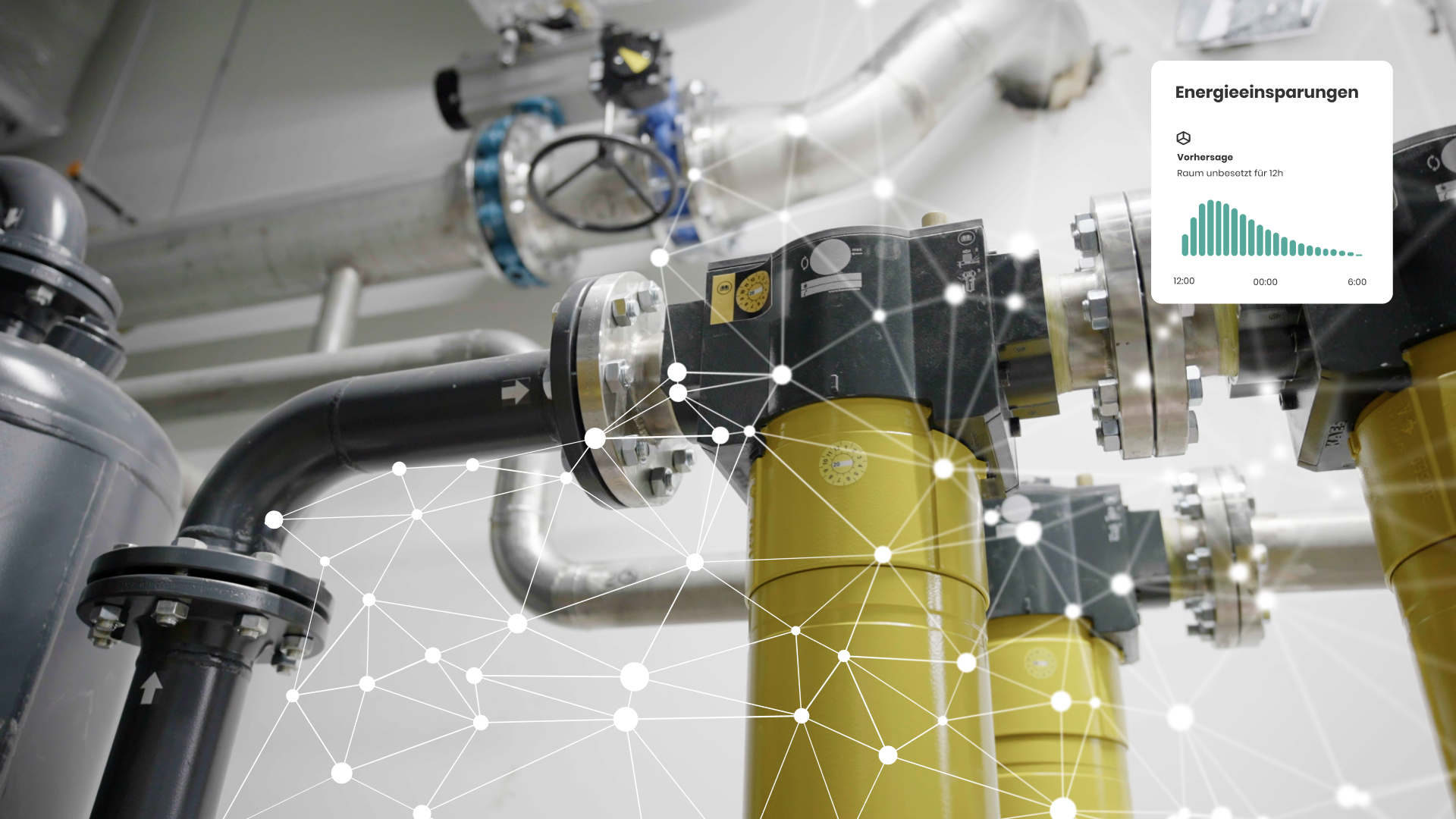
Building automation is a worthwhile first step in any renovation project, purely from an economic standpoint: it is the most affordable option with the fastest return on investment. What is often overlooked, however, is that this is where the real value creation begins. Because with automation, something else enters the building that becomes critical for all subsequent renovation steps: data.
Building automation systems perform two tasks simultaneously: on one hand, they control heating, cooling, ventilation, and lighting based on actual demand. On the other hand, they continuously collect data on what is happening inside the building. Energy flows, consumption data, air quality, or room temperatures—all of this is generated as a byproduct of automation, without any additional effort.
This means you don't just get a more efficiently managed building; you also gain a high-resolution picture of how the building actually behaves—room by room, hour by hour. This is precisely the picture that is almost always missing in traditional renovation planning, as it is usually based on rough estimates, historical data, or sporadic measurements.
Automation as a data source
Two examples show how this specifically impacts the subsequent renovation path:
1. Planning thermal insulation with precision.
High-resolution room temperature measurements reveal which parts of the building experience disproportionately rapid heat loss. Instead of insulating the entire building across the board or relying on a rough assessment from an energy consultant, you know exactly where the heat loss is greatest—and where insulation will have the most impact. This allows you to target the budget for the next renovation phase where it will be most effective.
2. Correctly sizing heat pumps or district heating connections.
The effect is even more pronounced when replacing heating systems. Traditional design methods often rely on conservative standard values and blanket safety margins, frequently resulting in oversized systems that cost more than necessary. With real consumption data from the building automation system, however, a new heat pump or district heating connection can be sized precisely to meet actual needs.
The financial leverage behind this is significant: a building automation system costing €10–30 per m² of gross floor area can pay for itself simply by allowing the heat pump—which costs €90–270 per m²—to be sized 10–20% smaller. The investment in data pays off twice: first through the direct energy savings from automation, and a second time through the savings achieved in every subsequent measure.
From individual buildings to portfolio strategy
What applies to a single building has an even greater impact at the portfolio level. Advanced renovation planning tools now use operational data from buildings to calculate optimal renovation strategies for both individual assets and entire portfolios. Instead of planning each property individually using estimates, you can prioritize across the entire portfolio: Which building needs a new facade first? Where is a smaller heat pump sufficient? Where is an investment not yet worthwhile? The answers are no longer provided solely by the experience of an energy consultant, but by the building itself—through its own data.
How viboo puts this approach into practice
This is exactly where viboo comes in. Our cloud-based, AI-powered platform connects to wireless IoT devices in the building and learns how the building behaves based on their measurements. Using this data, along with weather forecasts and usage patterns, the system creates a model for every individual room and controls heating proactively rather than reactively—typically without any loss of comfort and with 20–30% lower heating energy consumption.
Through viboo.cloud , facility and portfolio managers gain the precise insights needed for future renovation planning: Where in the building does the temperature drop faster than average? Where is the base load noticeably high compared to similar rooms? Because the system is hardware-agnostic and works with standard thermostats and sensors from leading manufacturers, it can be installed in just a few hours—without disrupting ongoing operations and without the need to wire a complex, traditional building management system first. This means the data foundation for the next renovation steps is often available in a very short time.
In short: Data-driven renovation
- Building automation systems provide continuous data on energy, temperature, and air quality as a side effect.
- This data shows exactly where insulation is actually needed, rather than relying on general estimates.
- It enables the precise, rather than oversized, design of heat pumps and district heating connections.
- At the portfolio level, it forms the basis for data-driven rather than experience-based renovation strategies.
- viboo makes this exact data foundation usable
This article is part of a series on the white paper "The Role of Building Automation in the Renovation Strategy for Buildings and Portfolios" by Felix Bünning, co-founder of viboo. You can find the full white paper, including all background information, figures, and business models, here: Download white paper as PDF.
Are you planning to renovate your building or portfolio and want to know how building automation can help?
Contact us – we would be happy to connect you with the right partners or introduce you to our viboo solution.
Weitere Artikel
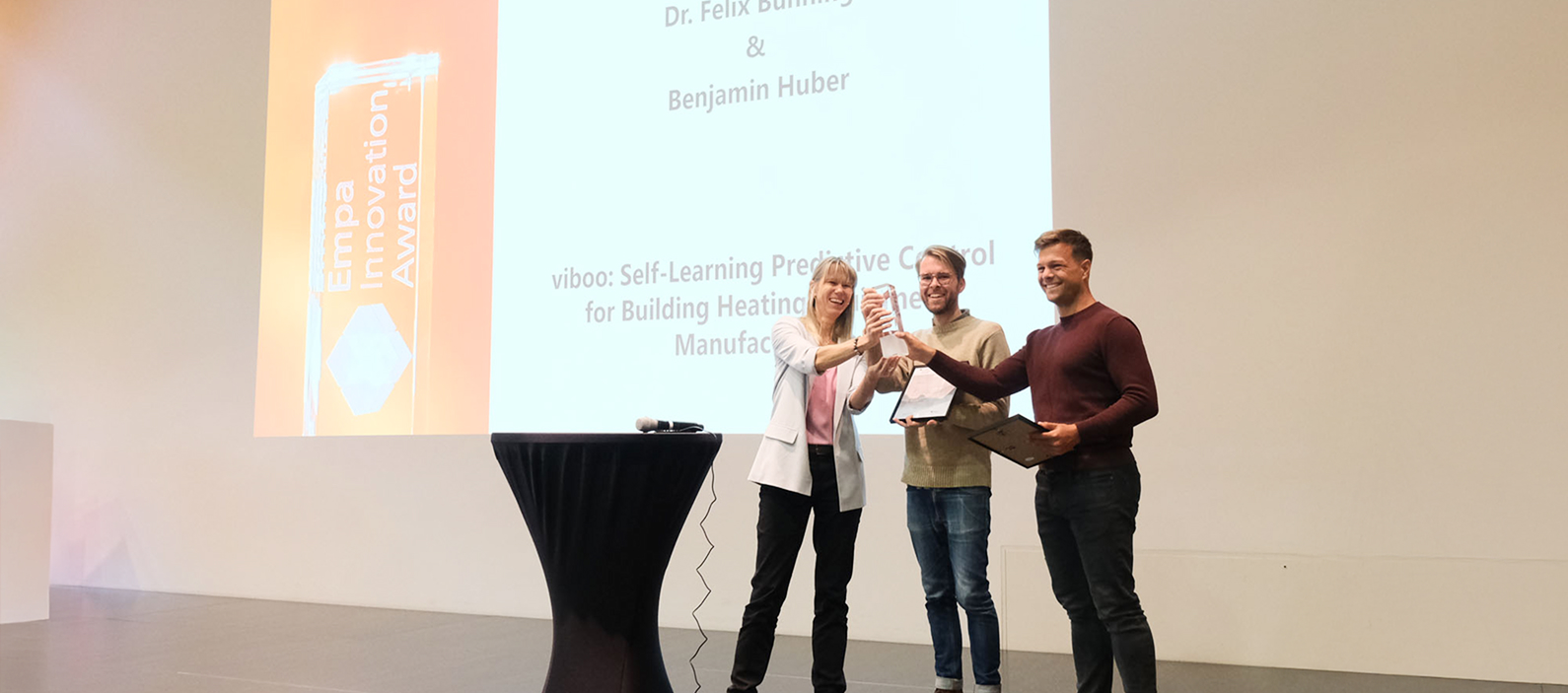
Benjamin and Felix win the Empa Innovation Prize
Empa spin-off viboo wins the Empa Innovation Award for its self-learning thermostat algorithm, which reduces the heating energy consumption of buildings by 20 to 40%.
Die Rolle der Gebäudeautomation in der Sanierungsstrategie von Gebäuden und Portfolios
Gebäudeautomation wird zur Schlüsseltechnologie im Bestand: Energie sparen, Betrieb verbessern, Sanierungen vorbereiten. Im neusten Whitepaper erfahren Sie, Sie mit vernetzter Regelung Energie- und Taxonomievorgaben erfüllen.

Efficient and sustainable heating solution at Hotel Crystal in St. Moritz
Hotel Crystal St. Moritz saves around 20% of heating energy with viboo & Siemens — less CO₂ emissions, more comfort and sustainable hotel management.

Building automation in the renovation roadmap: The most cost-effective measure with the greatest impact
When renovating inefficient existing buildings, owners face a choice between insulation, new windows, heat pumps, or building automation—all while working with limited budgets and tight regulatory deadlines. A cost comparison shows that building automation delivers the shortest payback period and the highest energy savings per euro invested, making it the ideal first step in any renovation roadmap.
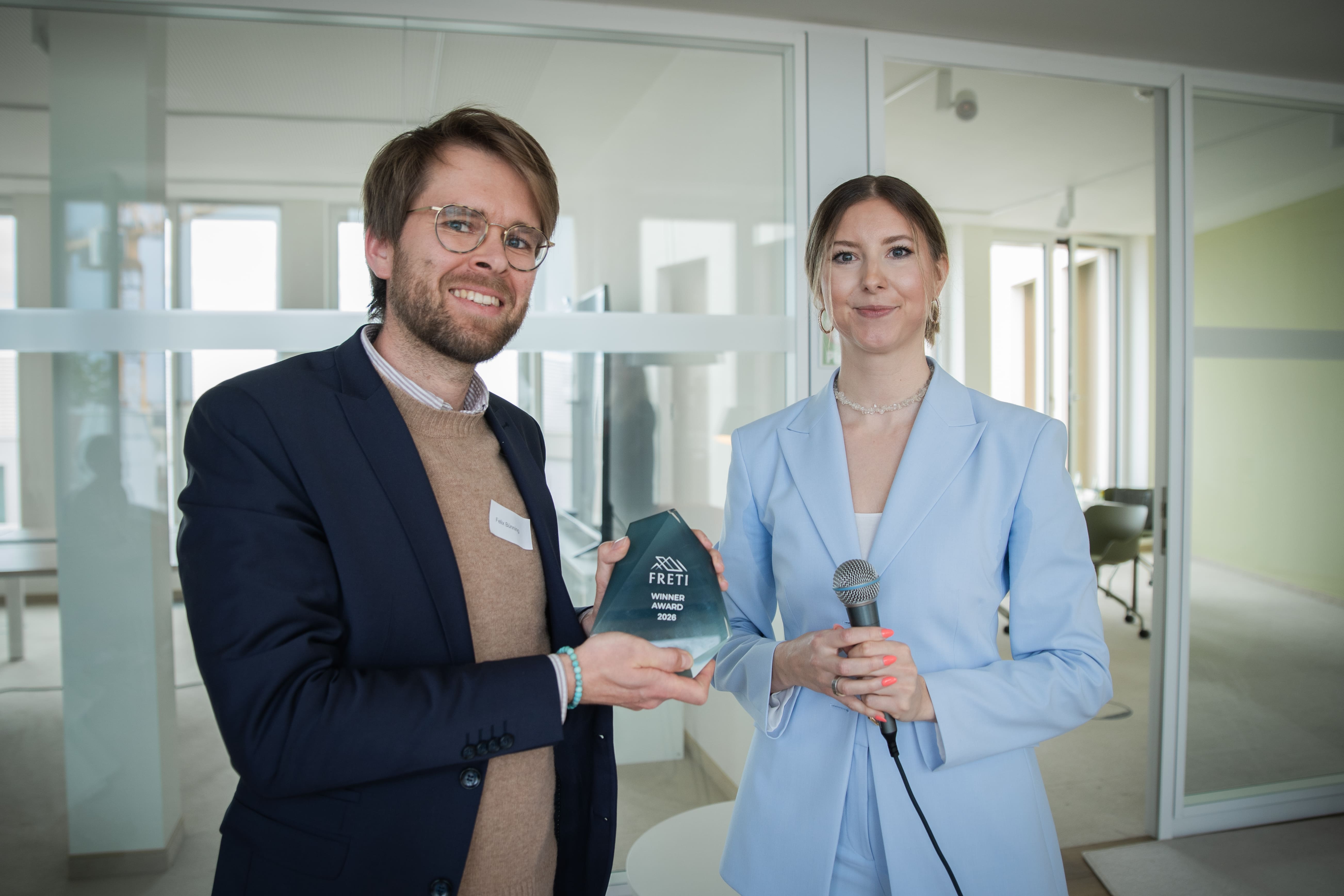
Felix Bünning wins the FRETI Award 2026
At this year's FRETI Awards ceremony, founder and CEO Felix Bünning had the honor of accepting the evening's highest distinction – the FRETI Award 2026.

Think about sustainability holistically: hardware emissions at viboo
Despite using hardware, Viboo remains climate-friendly: After just around one month, the grey emissions are offset by energy savings.
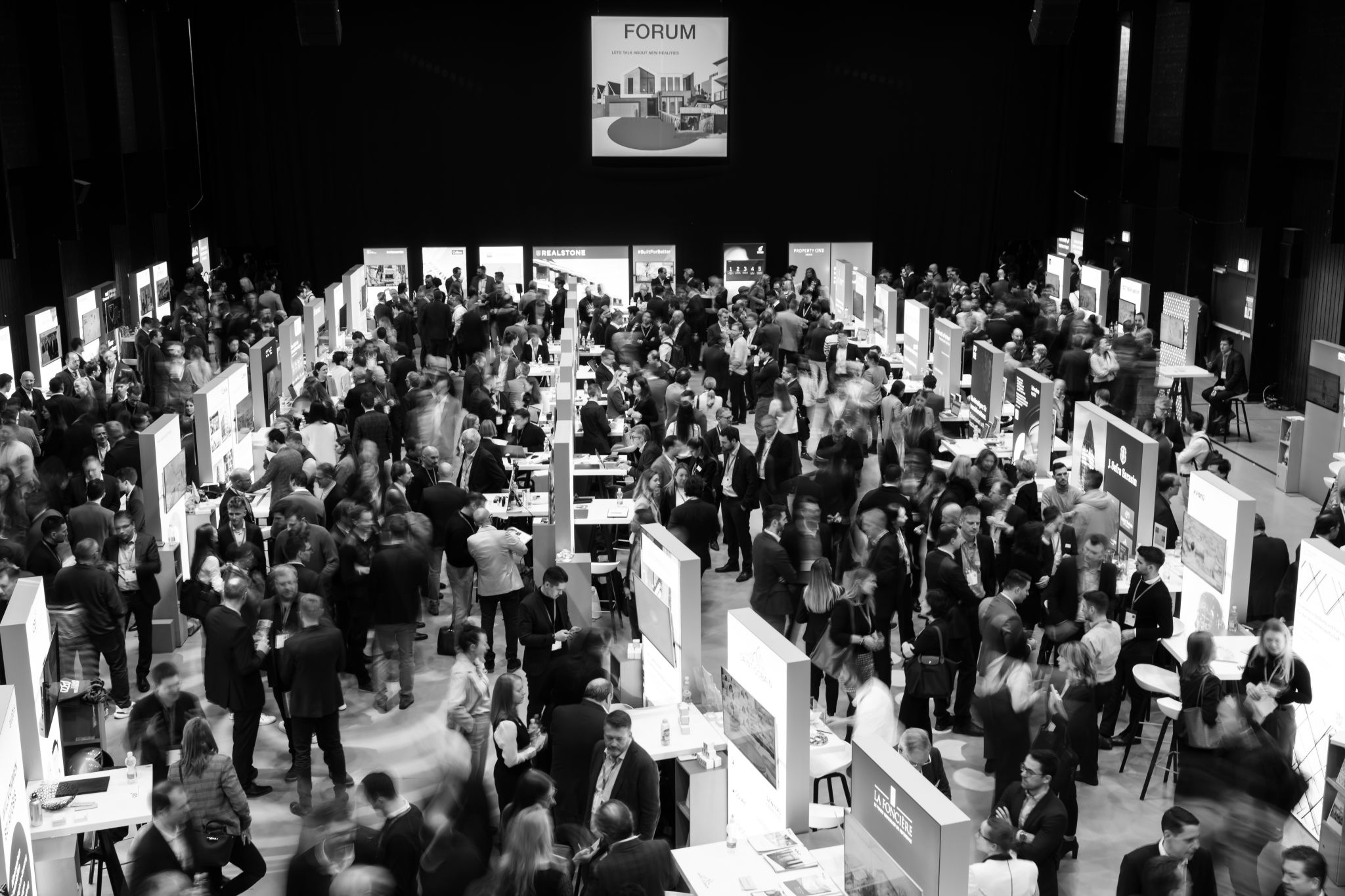
IMMO26: Swiss real estate fair for investors
viboo will be present at IMMO 26 in Zurich on January 14 and 15, 2025 and is looking forward to exchanging ideas with participants at the Swiss real estate fair for investors.

Erfolgreiche Zusammenarbeit mit Marktführer Danfoss
Das Empa-Spin-off viboo hat dafür einen selbstlernenden Algorithmus entwickelt, der es ermöglicht, auch ältere Gebäude mit rund 25 Prozent weniger Heizenergie zu betreiben – bei unverändertem oder sogar verbessertem Nutzerkomfort.
Ready to take the next step for the climate?
Find out how viboo can make your buildings more energy efficient — contact us today!