
00:00
/
00:00
NZZ: Smart Heating. Good for the climate, for the indoor climate – and for the budget
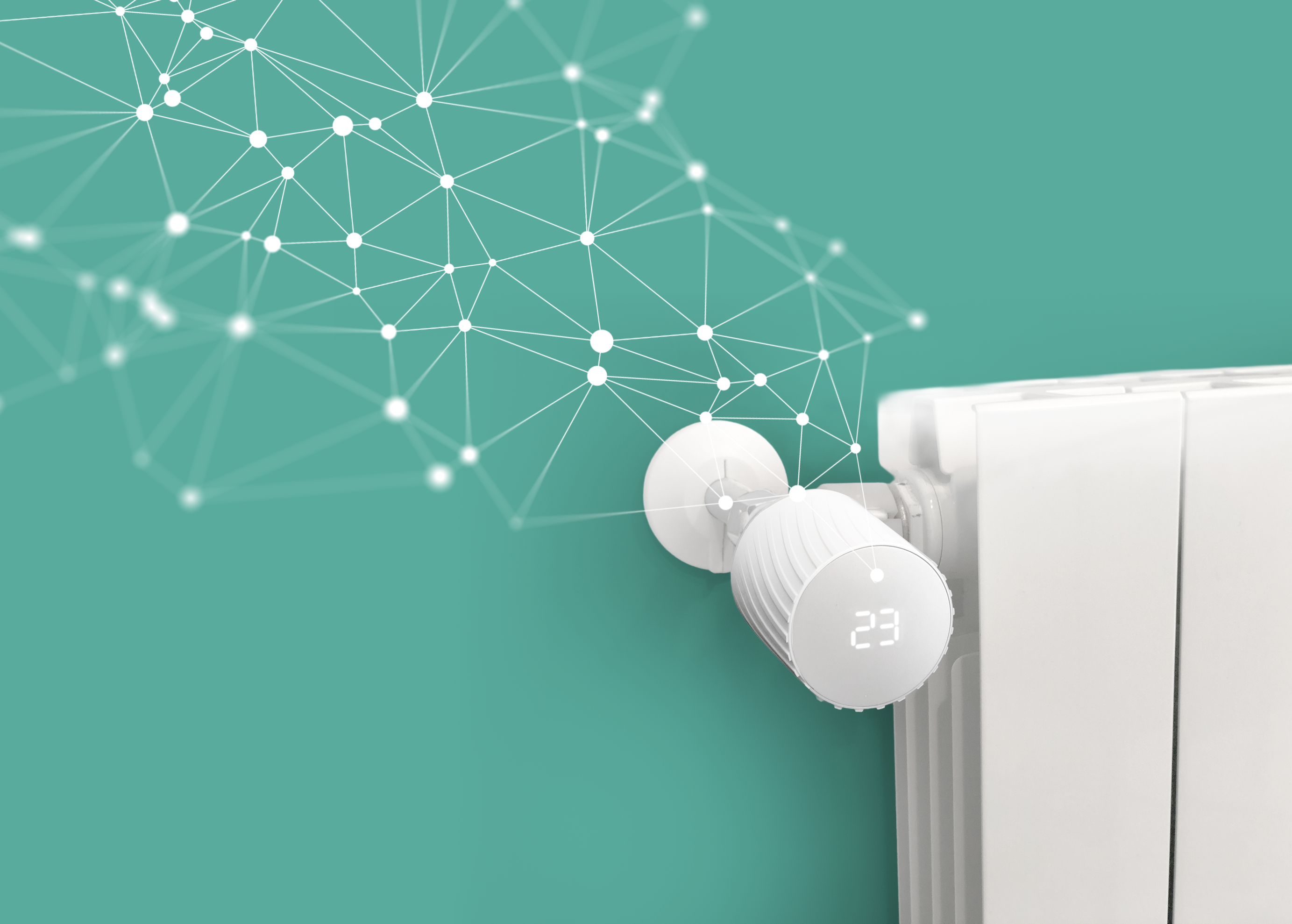
On June 6, 2026, an article about data-driven heating systems appeared in the NZZ supplement «Sustainable Action» by Sustainable Switzerland – and viboo was featured as one of the pioneering companies. Below is an excerpt from the article.
The sluggishness of conventional heating systems is particularly evident during transitional seasons: A mild spring day can quickly push outdoor temperatures above 20 degrees Celsius – shortly after a cool breeze swept through the streets. In many office buildings, it's uncomfortably cool in the morning, then suddenly far too warm in the afternoon when the sun shines. Time and again, indoor temperatures lag behind weather changes.
What many consider an annoying but unavoidable everyday occurrence is a widespread problem. Heating systems operate with delays, are often imprecise, waste energy, and simultaneously drive up costs. This is especially true for older buildings with poor insulation.
The pressure to act is high
According to the Federal Office for the Environment (FOEN), the Swiss building stock is the third-largest CO₂ emitter after transport and industry, accounting for approximately 22 percent of the country's emissions. More efficient heating systems can therefore make a significant contribution to bringing Switzerland much closer to its net-zero climate target by 2050. As regulatory requirements and energy prices are simultaneously rising, these efforts offer multiple benefits.
This is precisely where technologies from the Internet of Things (IoT) and artificial intelligence come into play. They promise more precise control – without any structural modifications. The principle is simple: sensors continuously record temperatures, compare them with weather data, and take user behavior into account. Algorithms then continuously and predictively calculate the optimal heating output.
viboo: Heating Optimization at Room Level
Viboo optimizes heating not at the building level, but room by room. Smart thermostats on radiators communicate with a cloud platform that uses AI to model the behavior of each individual room: When is it used? How quickly does it cool down? How much solar radiation enters through the windows? The temperature is continuously adjusted accordingly.
While traditional systems usually only react to weather changes, Viboo uses predictive models, AI, and dynamic optimization to proactively control buildings. «In just one to two weeks, the AI learns to determine the specific characteristics of buildings and their individual rooms. Based on this, it continuously optimizes heating operations,» explains Viboo CEO Felix Bünning.
In buildings with rooms used for different purposes – offices, schools, or commercial properties – dynamic optimization can significantly reduce energy consumption, in individual cases by up to 40 percent. Crucially, user comfort does not suffer as a result. On the contrary, participants in pilot projects report more stable temperatures and a more pleasant indoor climate.
Easy Integration, Rapid Amortization
Viboo is particularly interesting for existing buildings. Many are still heated with fossil fuels and thus offer significant savings potential. At the same time, funds or the willingness for extensive renovations are often lacking. The smart thermostats can be easily integrated into an existing heating system – no structural changes, no interruption of operations.
The systems are also economically attractive – especially with high energy prices. Depending on the building, investments pay for themselves within a few years. Furthermore, there is increasing pressure on property owners to collect and disclose sustainability data. Digital heating systems provide this automatically – an advantage for owners with corresponding reporting obligations.
In NZZ: Part of a New Generation of Building Technology
On June 6, 2026, Viboo was featured in the NZZ special supplement «Sustainable Action» by Sustainable Switzerland – alongside ECCO2 and Swisscom as part of a new wave of data-driven solutions for building technology. Swisscom provides the necessary interfaces and data connections and strategically invests in companies offering new building technology solutions.
Overall, new heating systems like Viboo offer an easy way for businesses and property owners to achieve a significant impact with little effort – for users, the climate, and their own budget.
Curious what Viboo can do for your building? Learn more now →
Weitere Artikel
Die Rolle der Gebäudeautomation in der Sanierungsstrategie von Gebäuden und Portfolios
Gebäudeautomation wird zur Schlüsseltechnologie im Bestand: Energie sparen, Betrieb verbessern, Sanierungen vorbereiten. Im neusten Whitepaper erfahren Sie, Sie mit vernetzter Regelung Energie- und Taxonomievorgaben erfüllen.
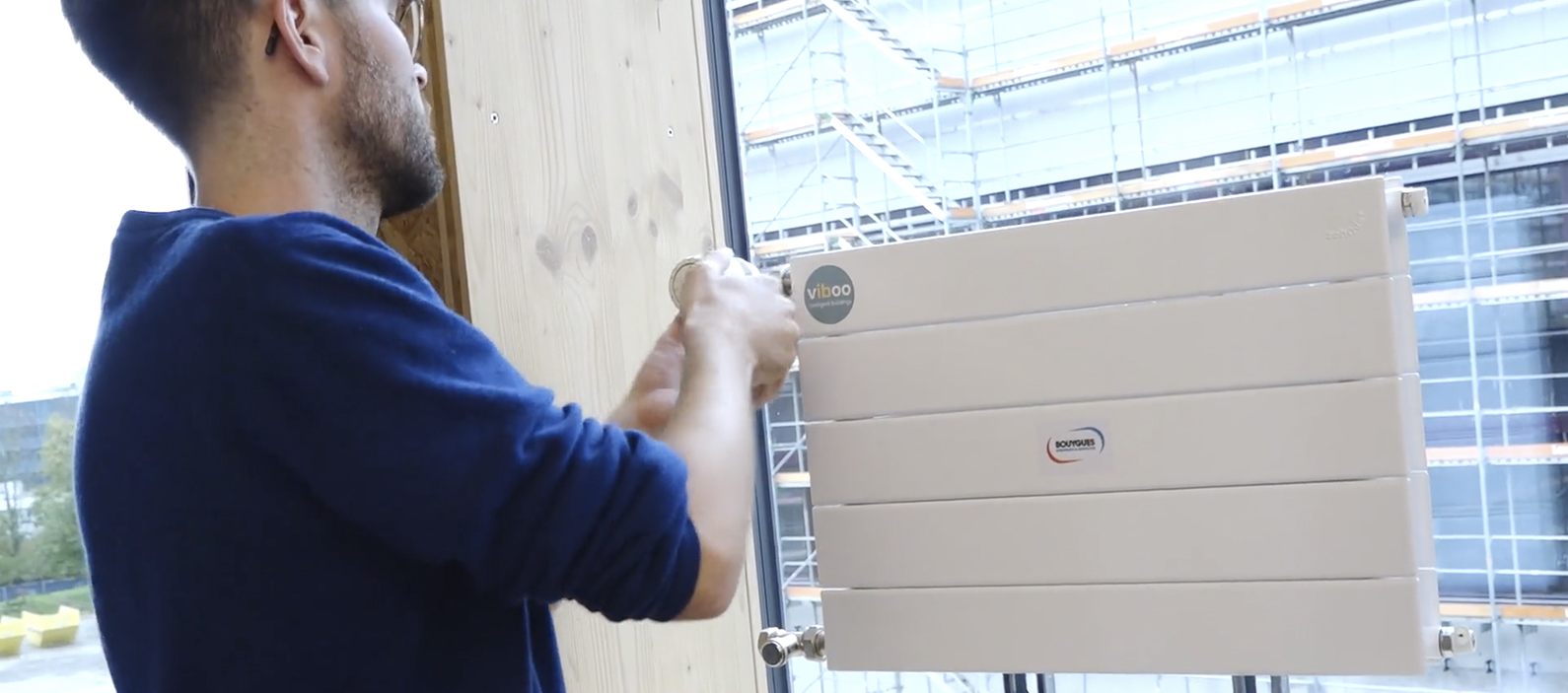
BLICK: Schweizer Jungunternehmer im Kampf gegen steigende Heizkosten
Viboo wurden vom Blick vorgestellt, der mit 472'000 Lesern pro Tag meistgelesenen bezahlten Zeitung der Schweiz.

More control, More flexibility: Granular access management in our building management plattform
Access management in viboo.cloud: Control who has access to which areas of your portfolio or building – securely, flexibly, and efficiently.

Predictive Control: How buildings learn to think ahead
viboo adds a new layer of intelligence to buildings — one that learns from data, anticipates what’s coming, and keeps them efficient, comfortable, and future-ready.

Tagesanzeiger: Digitalization and automation as the key to sustainable renovation
As part of the Tagesanzeiger section “FOKUS Immobilien”, which was published on 29.11.2025, viboo publishes a report on digitization and automation as the key to sustainable restructuring — and uses the VIBOO approach to show how owners can already take a quick, cost-effective and sustainable step towards ESG and decarbonization goals with predictive control.
Regulatory and strategic drivers of building automation
Stricter EU regulation, rising CO₂ prices and new financing logics are putting massive pressure on the building sector. The article shows why energy-efficient renovation and building automation are becoming mandatory — and how regulatory risks can be transformed into strategic benefits.
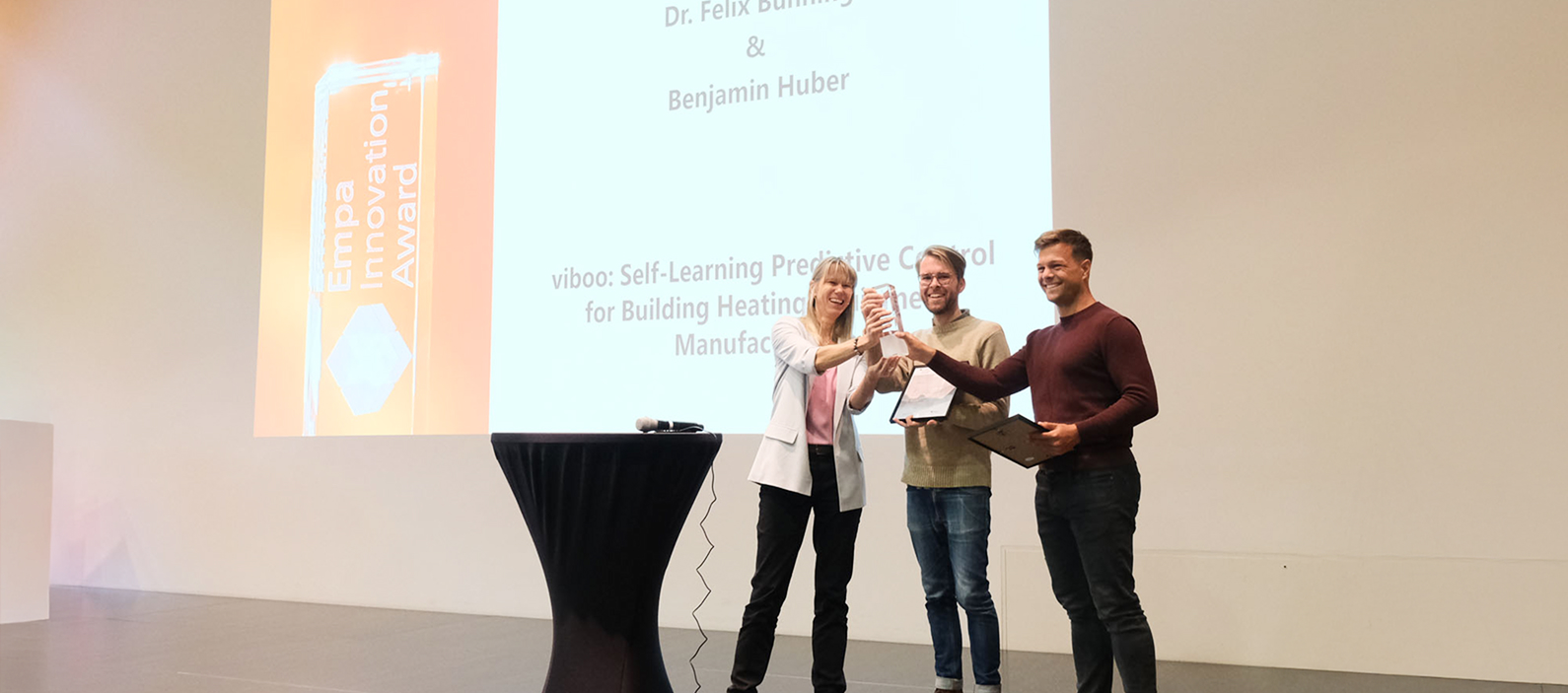
Benjamin and Felix win the Empa Innovation Prize
Empa spin-off viboo wins the Empa Innovation Award for its self-learning thermostat algorithm, which reduces the heating energy consumption of buildings by 20 to 40%.

Ready to take the next step for the climate?
Find out how viboo can make your buildings more energy efficient — contact us today!