
00:00
/
00:00

Buildings consume a significant proportion of total energy in Switzerland and Europe. At the same time, many systems operate far below their optimum efficiency — not because the technology is missing, but because the control system is missing. This is exactly where building automation comes in.
What is building automation?
Building automation refers to a permanently installed infrastructure of sensors, actuators and communication systems that controls, automates and optimizes heating, cooling, ventilation, lighting and other systems. It is therefore not a unique service, but an integral part of the building — and addresses two key regulatory requirements at the same time: Minimum energy performance standards and the increasing Duty to automate.
Up to 35% saving potential
The potential of building automation has been scientifically proven and through practical studies from leading providers and cross-industry reports — such as the study “Smart and green” from economiesuisse, digitalswitzerland and Accenture — well documented:
- +20% can be implemented in almost every building with low-CAPEX measures: presence-based ventilation, thermostats, night lowering. Low effort, effective immediately.
- ~ 25% can be achieved when all TGA systems work together automatically, as needed and in a networked manner — in accordance with ISO 52120 class A.
- > 35% are realistic when continuous monitoring, data analysis and predictive optimization also take effect. This is where the area where AI makes a measurable difference starts.
Operational optimization vs. building automation — an important difference
Building automation is often combined with the widely used in Switzerland Operational optimization confused by sanitary companies or energy consulting firms. This is a temporary service: Experts check systems, correct adjustments and eliminate losses — typically with 5-10% savings. Building automation, on the other hand, works permanently, autonomously and continuously.
Why individual room control is crucial
Many automation solutions only optimize heating and cooling generation. This already brings savings, but its effect is limited due to the hydraulic connection of different parts of the building.
A building usually has large, inert spaces — and small, fast-reacting rooms. Pure generation optimization must make a compromise between the two: The building is heated up across the board so that the inert space is warm in time — at the expense of efficiency in a small space.
One Individual room control resolves this conflict: It preheats the large room on Sunday evening, the small one only half an hour before the user arrives. The result is more precise, efficient — and more convenient.
Comfort as a value lever: Indoor environmental quality mandatory from May 2026
Building automation not only has an effect on energy consumption, but also directly on the quality of stay. Precise room-by-room control increases comfort and thus the value of the building.
Regulatory systems also take this aspect into account: From May 29, 2026 Do automation systems for non-residential buildings have to monitor the Indoor Environmental Quality (IEQ) enable. This includes continuous measurement of temperature, CO₂ concentration and humidity in every occupancy-relevant zone, logging of these values over at least 24 months, and threshold alarms and visualization for users.
Building automation is one of the most effective measures today to simultaneously increase energy efficiency and comfort and at the same time meet regulatory requirements. It is not only the automation of generation that is decisive, but intelligent, demand-oriented control down to room level.
lsin
White paper: The role of building automation
In our free White paper “The role of building automation in the renovation strategy“It deals with the following topics.
- regulatory and strategic drivers, which increase modernization pressure on buildings
- Building automation as the first measure in the renovation path, including cost and impact assessment
- data-driven support for subsequent investments, for example to correctly size heat pumps or to identify energy weak points
- Business models and modern wireless BMS solutions, which significantly simplify retrofitting, particularly in existing buildings
Viboo is an AI-based building automation solution that brings predictive control at room level to existing buildings — without major investment, with measurable effect. Get non-binding advice now on how your real estate portfolio can become more energy efficient: Book an appointment
Weitere Artikel
Regulatory and strategic drivers of building automation
Stricter EU regulation, rising CO₂ prices and new financing logics are putting massive pressure on the building sector. The article shows why energy-efficient renovation and building automation are becoming mandatory — and how regulatory risks can be transformed into strategic benefits.
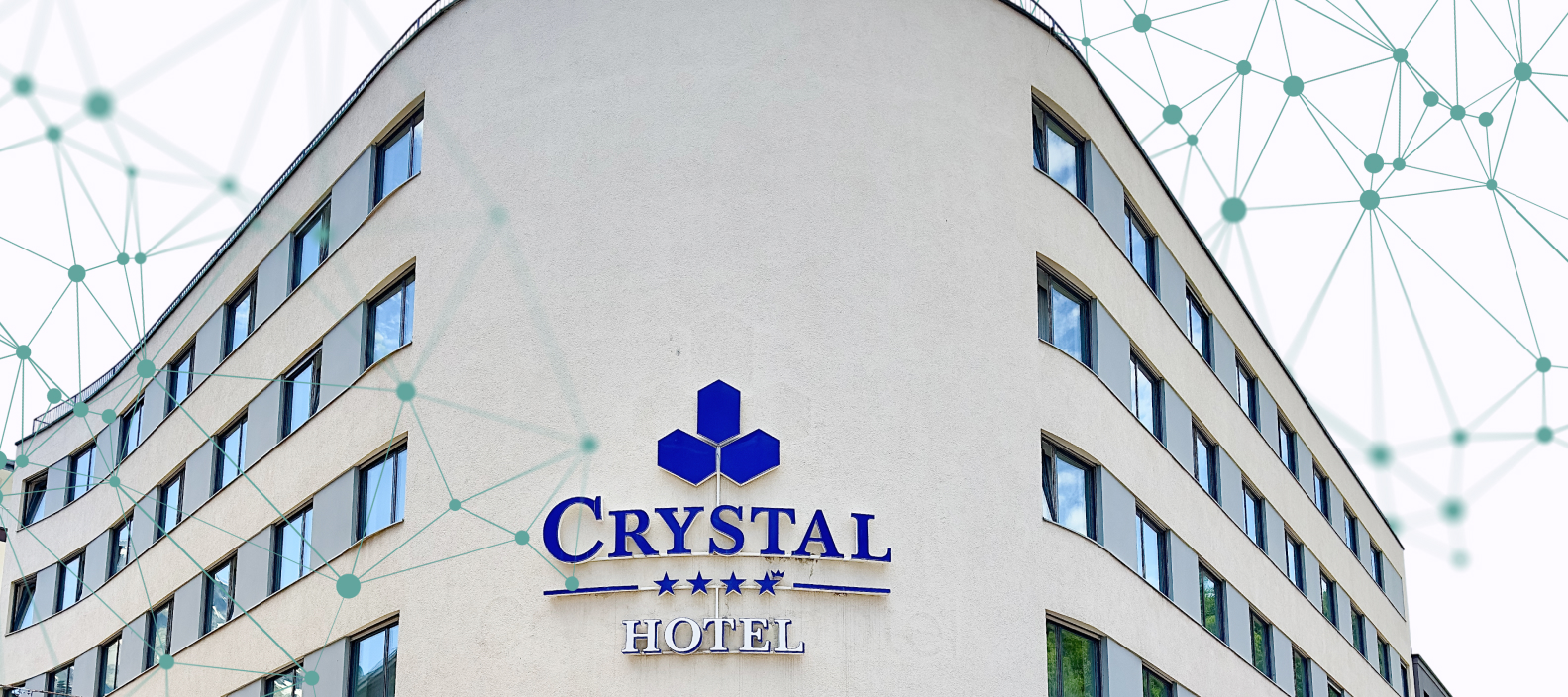
Efficient and sustainable heating solution at Hotel Crystal in St. Moritz
Hotel Crystal St. Moritz saves around 20% of heating energy with viboo & Siemens — less CO₂ emissions, more comfort and sustainable hotel management.
Die Rolle der Gebäudeautomation in der Sanierungsstrategie von Gebäuden und Portfolios
Gebäudeautomation wird zur Schlüsseltechnologie im Bestand: Energie sparen, Betrieb verbessern, Sanierungen vorbereiten. Im neusten Whitepaper erfahren Sie, Sie mit vernetzter Regelung Energie- und Taxonomievorgaben erfüllen.
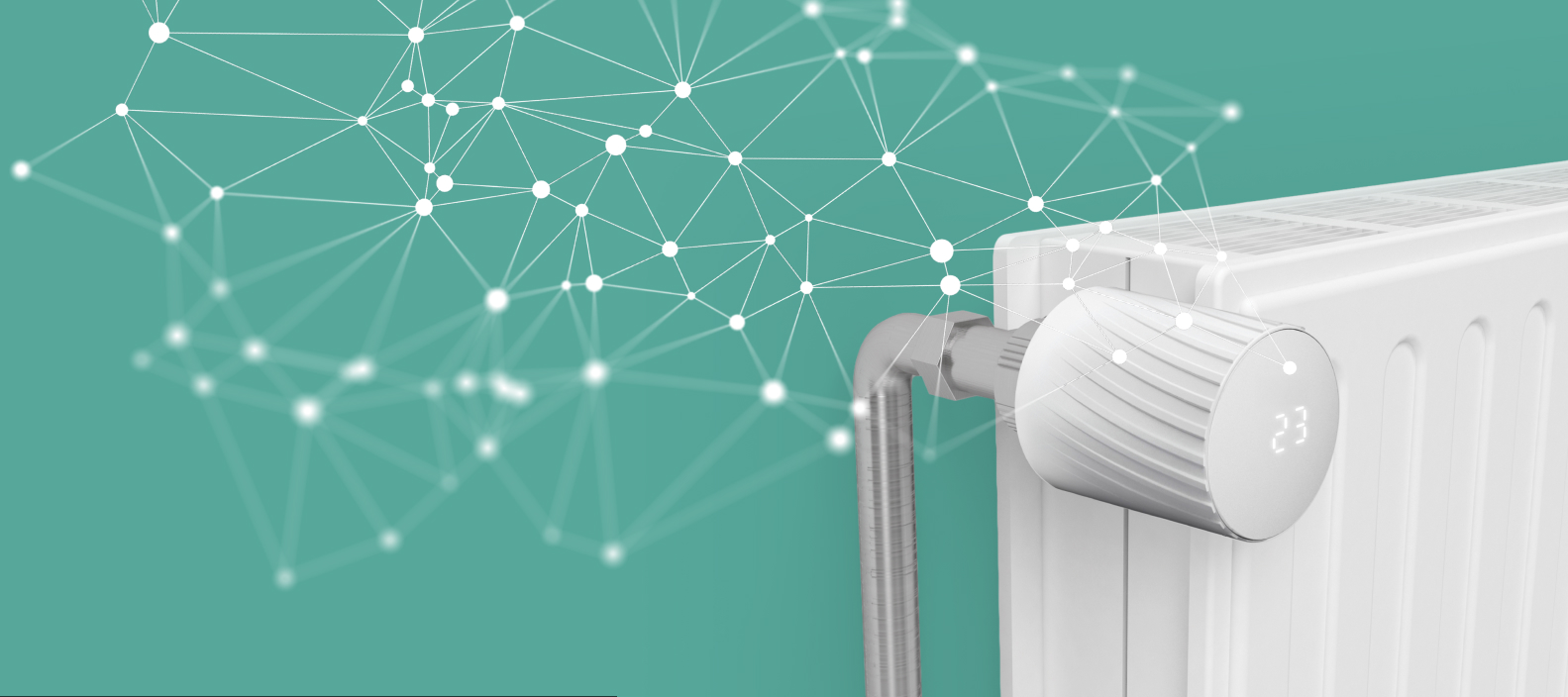
Smart Energy vs. Traditionelle Energie: Ein Wendepunkt für Gewerbegebäude
Smart Energy transformiert Gewerbegebäude: IoT, Automatisierung und Datenanalyse senken Energiekosten um bis zu 40 % und reduzieren CO₂-Emissionen.
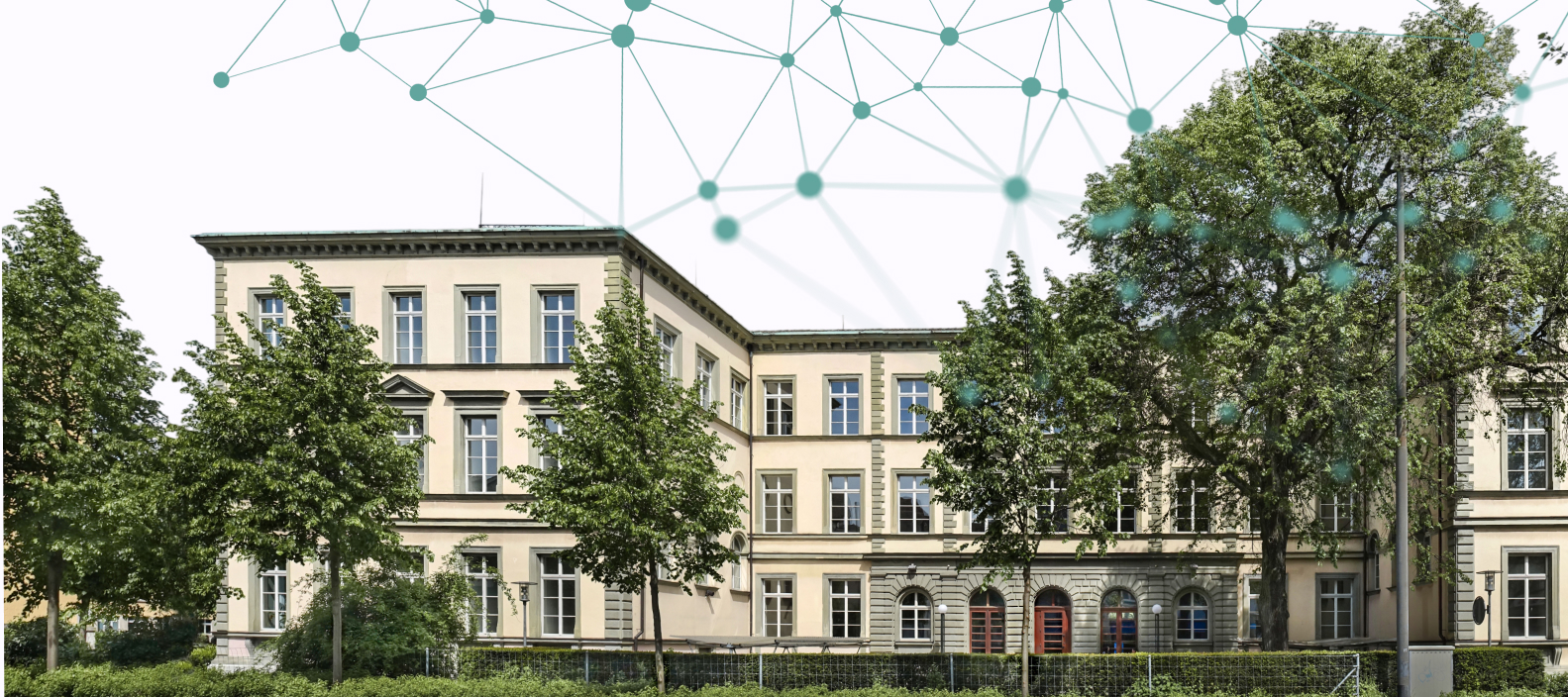
Case study: Transforming energy efficiency in the city of Schaffhausen with viboo
With viboo Predictive Control, Smart City Schaffhausen reduces energy consumption in the Bach school building by 22% and saves 13 tons of CO₂.

Why saving energy in existing commercial real estate is now a strategic necessity
Smart heating control lowers costs, increases efficiency and makes existing commercial buildings fit for ESG, sustainability goals and investor requirements.
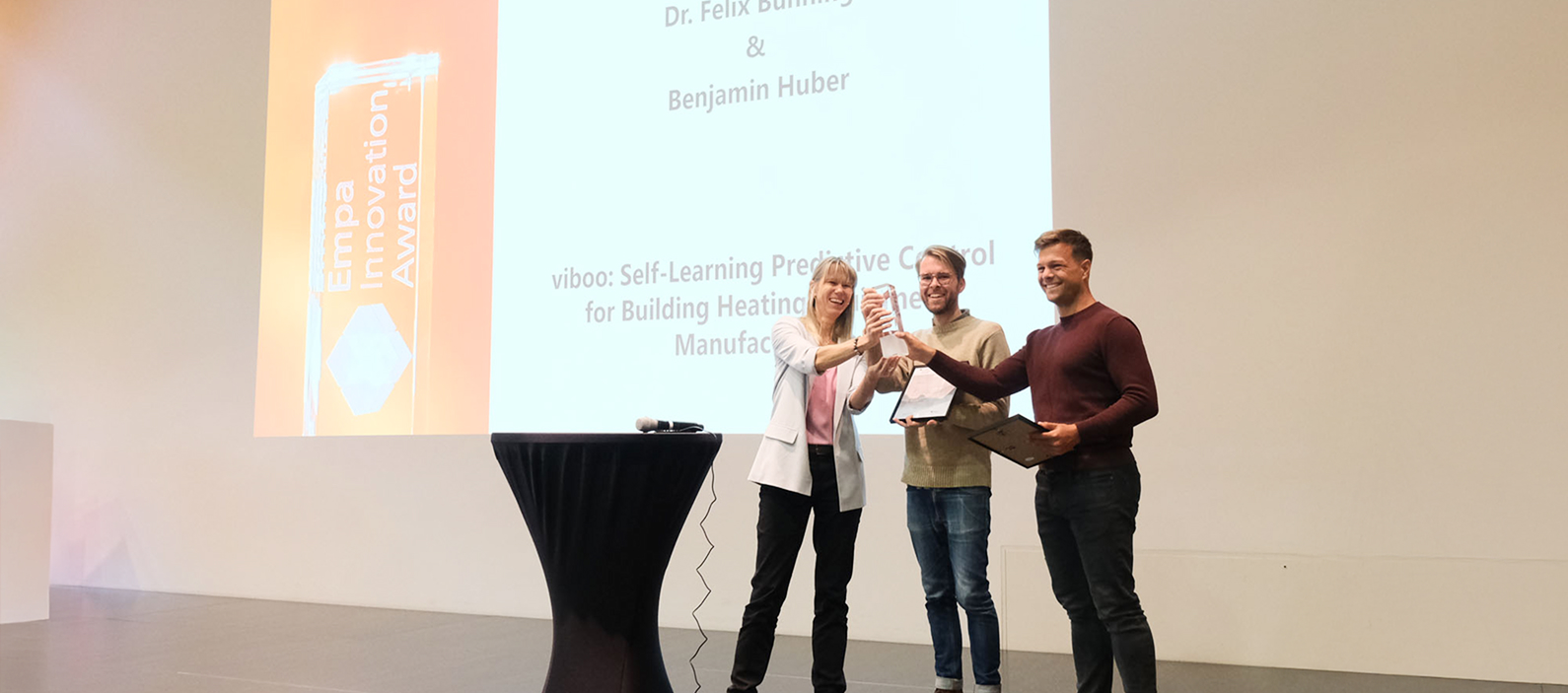
Benjamin and Felix win the Empa Innovation Prize
Empa spin-off viboo wins the Empa Innovation Award for its self-learning thermostat algorithm, which reduces the heating energy consumption of buildings by 20 to 40%.

Erfolgreiche Zusammenarbeit mit Marktführer Danfoss
Das Empa-Spin-off viboo hat dafür einen selbstlernenden Algorithmus entwickelt, der es ermöglicht, auch ältere Gebäude mit rund 25 Prozent weniger Heizenergie zu betreiben – bei unverändertem oder sogar verbessertem Nutzerkomfort.
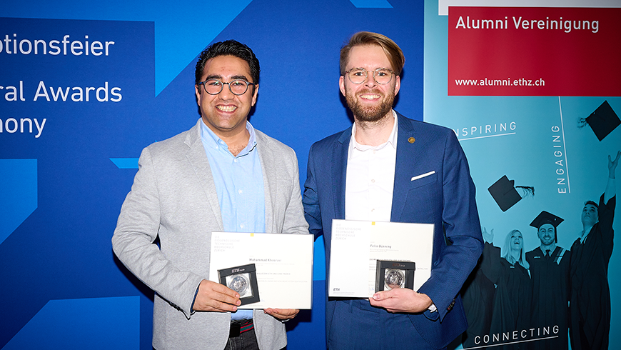
ETH medal for doctoral thesis
Every year, ETH Zurich awards the ETH Medal to a few doctoral students whose doctoral theses were judged to be particularly outstanding. This year, two Empa researchers received the award. ET

Tagesanzeiger: Digitalization and automation as the key to sustainable renovation
As part of the Tagesanzeiger section “FOKUS Immobilien”, which was published on 29.11.2025, viboo publishes a report on digitization and automation as the key to sustainable restructuring — and uses the VIBOO approach to show how owners can already take a quick, cost-effective and sustainable step towards ESG and decarbonization goals with predictive control.

Neue Version von viboo.cloud: Verbesserte Web App für intelligentes Gebäudemanagement
Die neue Version von viboo.cloud ist live! Das Update bringt zahlreiche Verbesserungen für das digitale Gebäudemanagement, die Heizungssteuerung und das Monitoring von Gebäudeportfolios.

Ready to take the next step for the climate?
Find out how viboo can make your buildings more energy efficient — contact us today!